Some futures are won by talent — this one will be won by taste.
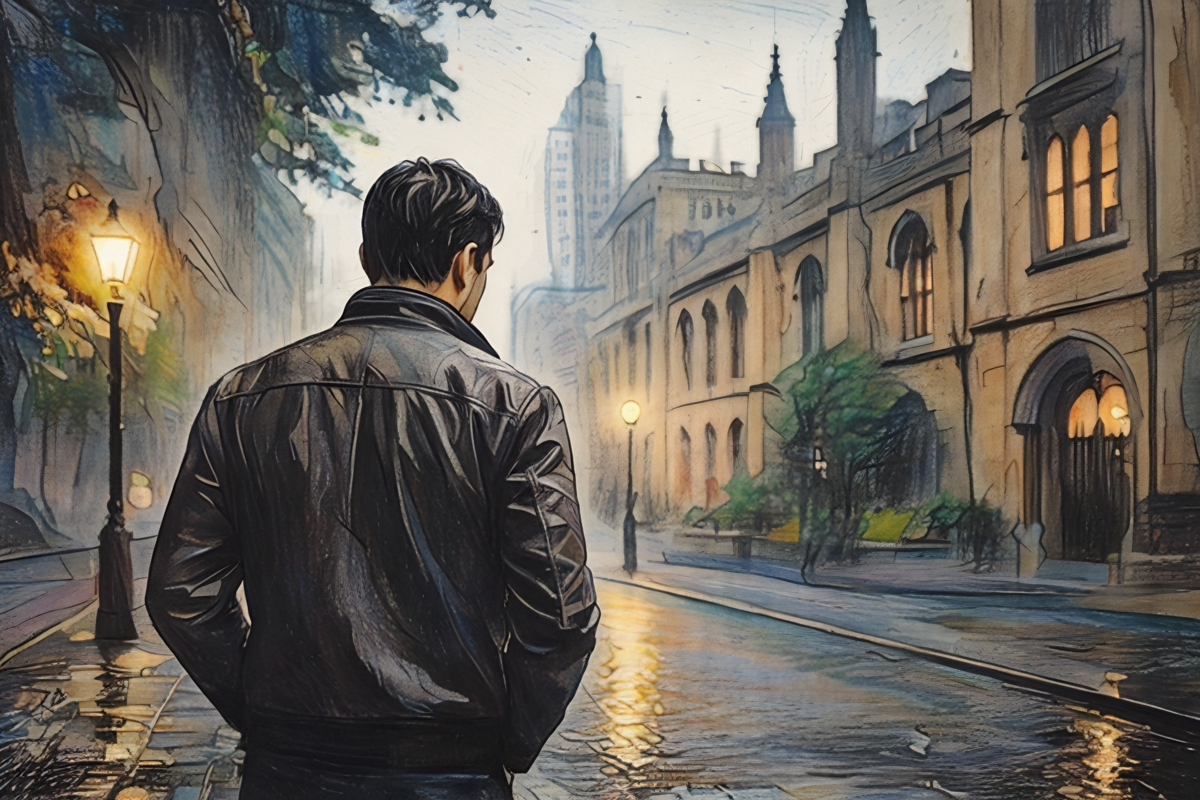
The jacket was black leather, soft at the elbows from years of folding his arms before answering a question. Before the lights went hot, he stood alone on the Cambridge stage, staring at the students filing in. The air inside the lecture hall smelled faintly of radiator heat and wet wool. Outside, bicycles dripped from a morning rain, and the December light sat low on cobblestone.
When the microphone hissed, and the room quieted, his voice was calm and unhurried: “It’s not likely that you’ll lose a job to AI. You’re going to lose the job to somebody who uses AI.”¹
For decades, the world told those students — and their parents — a single story: memorize enough, score high enough, achieve enough, and doors would open. SAT drills, AP flashcards, MCAT practice exams — all currency in a system that rewarded recall. But a machine now answers faster than the valedictorian and never forgets; the skills that once crowned winners are now free, instant, and everywhere at once.
Jenson Huang’s statement sounded like prophecy: Intelligence is about to become a commodity. He didn’t say it to be cruel — he said it because anything less would be dishonest.
He didn’t raise his volume. He let the sentence hang — like an object dropped into still water — until its ripples touched the student leaning back in his chair, the researcher clutching a thermos, the dean shifting her weight. Huang wasn’t here to promise genius. He was here to announce its devaluation.