For a century, we rewarded one kind of mind. The next economy may reward the ones we left behind.
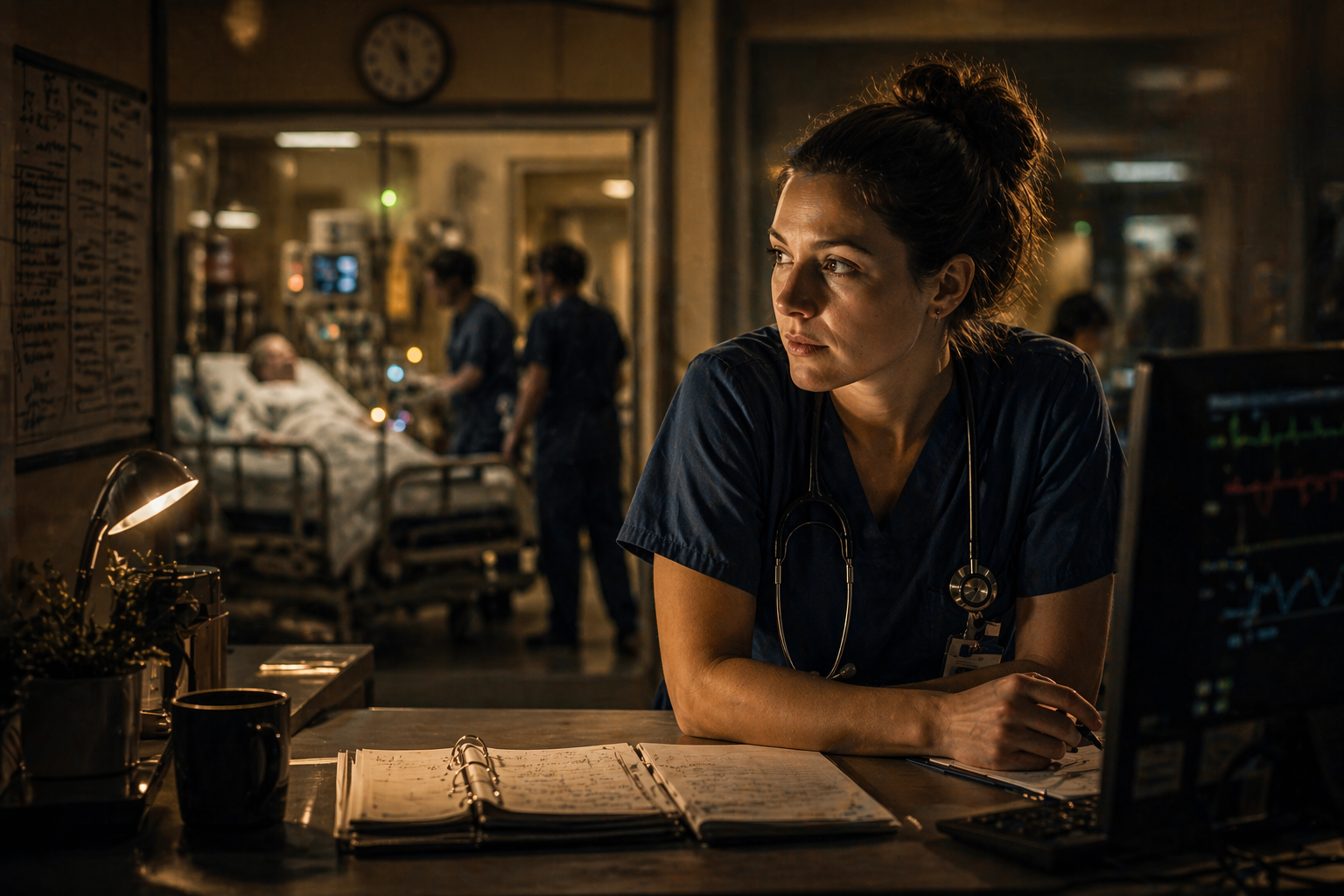
At 2:17 a.m., the emergency department at Portsmouth Regional Hospital slipped into that narrow, deceptive quiet that falls between surges. The machines didn’t stop. Monitors kept their rhythm, IV pumps clicked, a curtain shifted somewhere down the hall. It just felt, briefly, under control.
At the central station, a nurse wasn’t looking at the screens. She was watching the room itself—the way one patient shifted, the way another’s breathing landed just slightly out of sync with the numbers being displayed. Nothing dramatic. A fraction. The kind of mismatch you miss if you’re watching the chart instead of the person.
She walked into the room before the alarm sounded.
Later, the chart would compress it into a sentence: “patient deterioration noted prior to monitor escalation.” Clean. Precise. Technically correct. It doesn’t capture how the signals actually arrived—simultaneous, overlapping, resolving into a decision without steps in between. When she tried to explain it, she shrugged. “It’s pattern,” she said. “You don’t go one, two, three. You just know when something’s wrong.”
That ability doesn’t make her an easy employee.
It makes her a great nurse.
The system she works in doesn’t quite know what to do with that distinction. It tracks compliance, timing, documentation, protocol—the visible parts—while the thing that brought her into that room sits outside all of it, hard to standardize, harder to train, and almost impossible to audit.