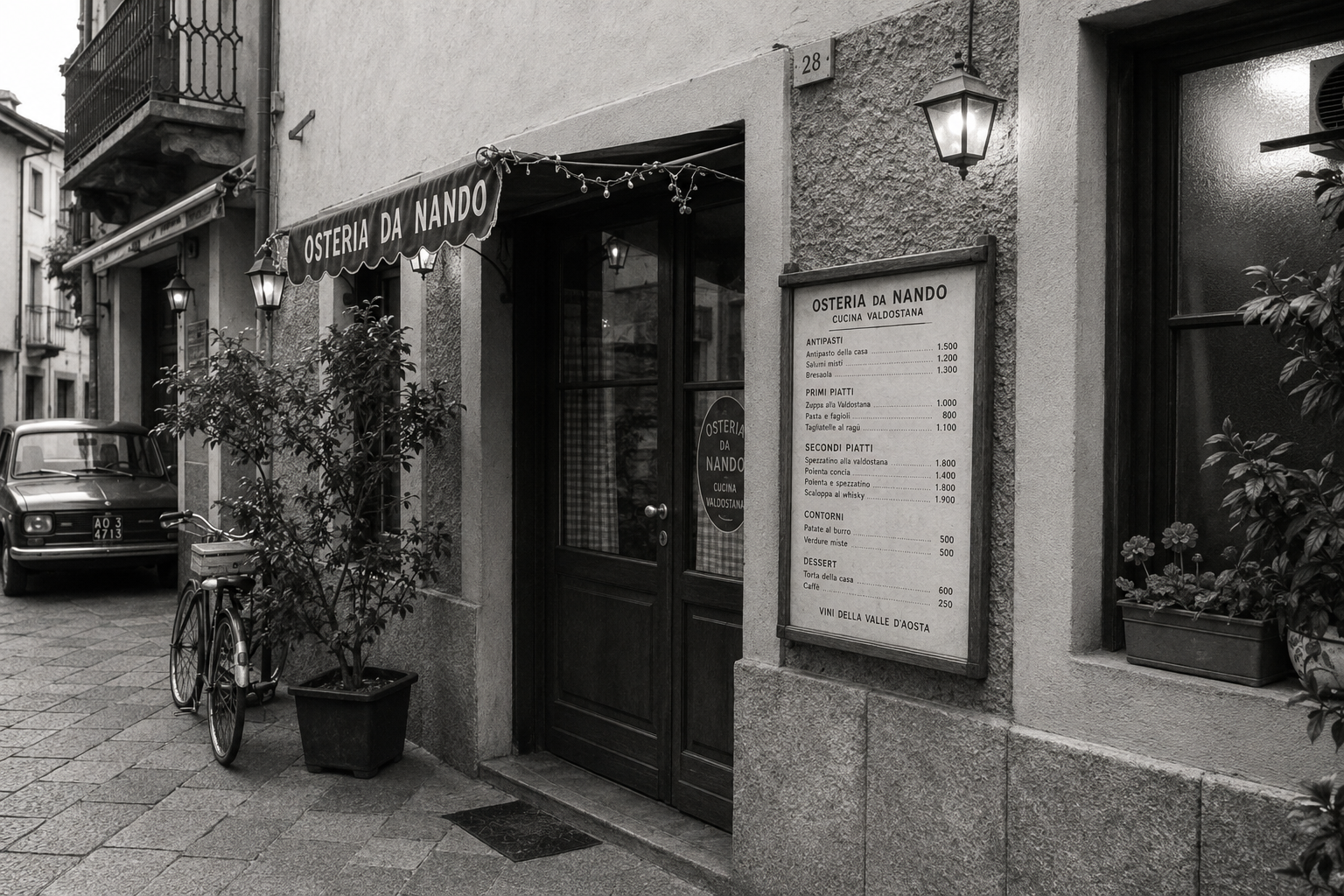
Years ago, when we lived in Geneva, Switzerland, my wife and I would frequently drive to Aosta for lunch, shopping or dinner.
Aosta lies across the Alps in the Valle d’Aosta, the narrow Italian valley running south and east from Mont Blanc. From Geneva, we followed the lake toward France, climbed into the mountains past Chamonix and entered the Mont Blanc Tunnel.
The tunnel did more than carry us beneath a mountain. It seemed to connect two different worlds.
On the French side, the landscape could feel cool, damp and distinctly Alpine. Clouds gathered around the peaks. The slopes were heavily forested, the light softer and the weather often changeable.
Chamonix sat beneath glaciers and steep gray walls of rock, with snow and ice looming over the valley even when the roads below were green.
After several miles beneath Mont Blanc, we emerged near Courmayeur into Italy, and the difference could be immediate.
The Italian side often seemed brighter, warmer and drier. The valley opened as we descended. The roofs, stone houses and villages began to look more Mediterranean, even though we were still surrounded by some of the highest mountains in Europe. Vineyards appeared on sun-facing slopes. The light grew sharper. France had felt enclosed by the mountains; Italy seemed to unfold beneath them.
From Courmayeur, the road followed the Dora Baltea River downhill through the valley to Aosta, an ancient Roman city surrounded by mountains, orchards and vineyards.